Table of Contents
The 5 phases of despair are rejection, rage, bargaining, clinical depression, and approval. Everybody experiences pain in a different way, and it is important to enable individuals to regret in their very own means. If you or a liked one is taking care of loss, it can be helpful to learn even more regarding the grieving process.
It is very important to bear in mind that the grieving process can be complex, and it isn't the same for everyone. These steps might not be adhered to precisely, or various other sensations may appear after you assumed you were through the stages of grieving. Enabling space to experience sorrow in your very own way can help you recover after loss.
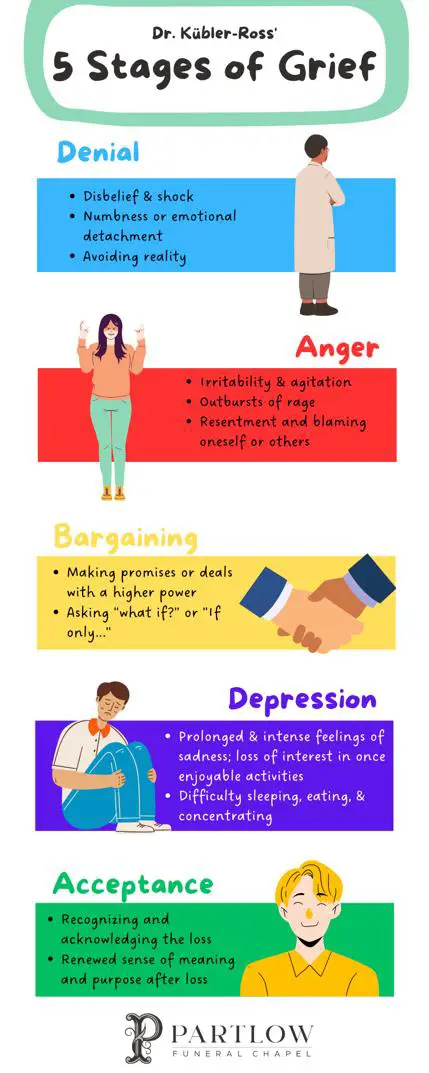
It recommends that we go via five distinct stages after the loss of an enjoyed one. These phases are rejection, anger, negotiating, anxiety, and ultimately approval.
Throughout this stage in grieving, our reality has changed totally. It can take our minds time to adapt to our brand-new fact. We assess the experiences we've shown the person we lost, and we might find ourselves wondering how to move on in life without this person. This is a lot of info to discover and a great deal of excruciating imagery to process.
Stress Response Restoration for Healthcare Workers in the Local Area
Rejection is not just an attempt to make believe that the loss does not exist. We are likewise attempting to absorb and understand what is occurring. The 2nd stage in grieving is temper. We are trying to readjust to a new truth and are most likely experiencing severe emotional pain. There is a lot to refine that temper might feel like it enables us a psychological outlet.
Anger likewise tends to be the initial thing we feel when starting to release feelings connected to loss. This can leave us feeling isolated in our experience.
Throughout bargaining, we tend to concentrate on our personal mistakes or regrets. We may look back at our interactions with the individual we are shedding and note all the times we really felt disconnected or might have triggered them discomfort. It prevails to remember times when we may have said points we did not mean and desire we could go back and behave in a different way.
Throughout our experience of processing pain, there comes a time when our imaginations relax and we slowly begin to look at the reality of our existing scenario. Haggling no more really feels like an alternative and we are confronted with what is taking place. In this stage of mourning, we start to really feel the loss of our enjoyed one even more generously.
Career Harmony After Complex Trauma Work
In those minutes, we often tend to pull internal as the unhappiness expands. We might discover ourselves retreating, being less friendly, and reaching out less to others regarding what we are going through.
, it is not that we no longer really feel the discomfort of loss. Instead, we are no much longer withstanding the fact of our situation, and we are not battling to make it something various.
There is no details amount of time for any one of these phases. One individual might experience the stages promptly, such as in an issue of weeks, whereas another individual might take months or perhaps years to move with the stages of grieving. Whatever time it considers you to move through these stages is perfectly regular.
Understanding the Neural Mechanisms of Complex Trauma
So, you may or may not undergo each of these phases or experience them in order. The lines of the grieving process stages are frequently obscured. We may likewise relocate from one stage to another and possibly back again prior to completely moving into a new stage. Your pain is one-of-a-kind to you, your relationship to the person you lost is distinct, and the psychological handling can really feel different to each individual.
These models can provide greater understanding to individuals that are injuring over the loss of a loved one. They can also be utilized by those in recovery occupations, assisting them to offer efficient look after mourning individuals who are looking for informed advice. Fabulous psycho therapist John Bowlby concentrated his service investigating the emotional add-on in between moms and dad and kid.
British psychoanalyst Colin Murray Parkes developed a design of sorrow based on Bowlby's concept of accessory, recommending there are four stages of grieving when experiencing the loss of an enjoyed one:: Loss in this stage feels difficult to approve. The majority of closely pertaining to Kbler-Ross's stage of denial, we are bewildered when attempting to cope with our feelings.
: As we refine loss in this stage of pain, we might begin to look for convenience to fill up the gap our loved one has actually left. We may do this by experiencing memories via pictures and seeking indicators from the individual to really feel linked to them. In this stage, we come to be extremely preoccupied with the person we have lost.
Breaking Free from Imposter Syndrome Through Therapy in Your Area
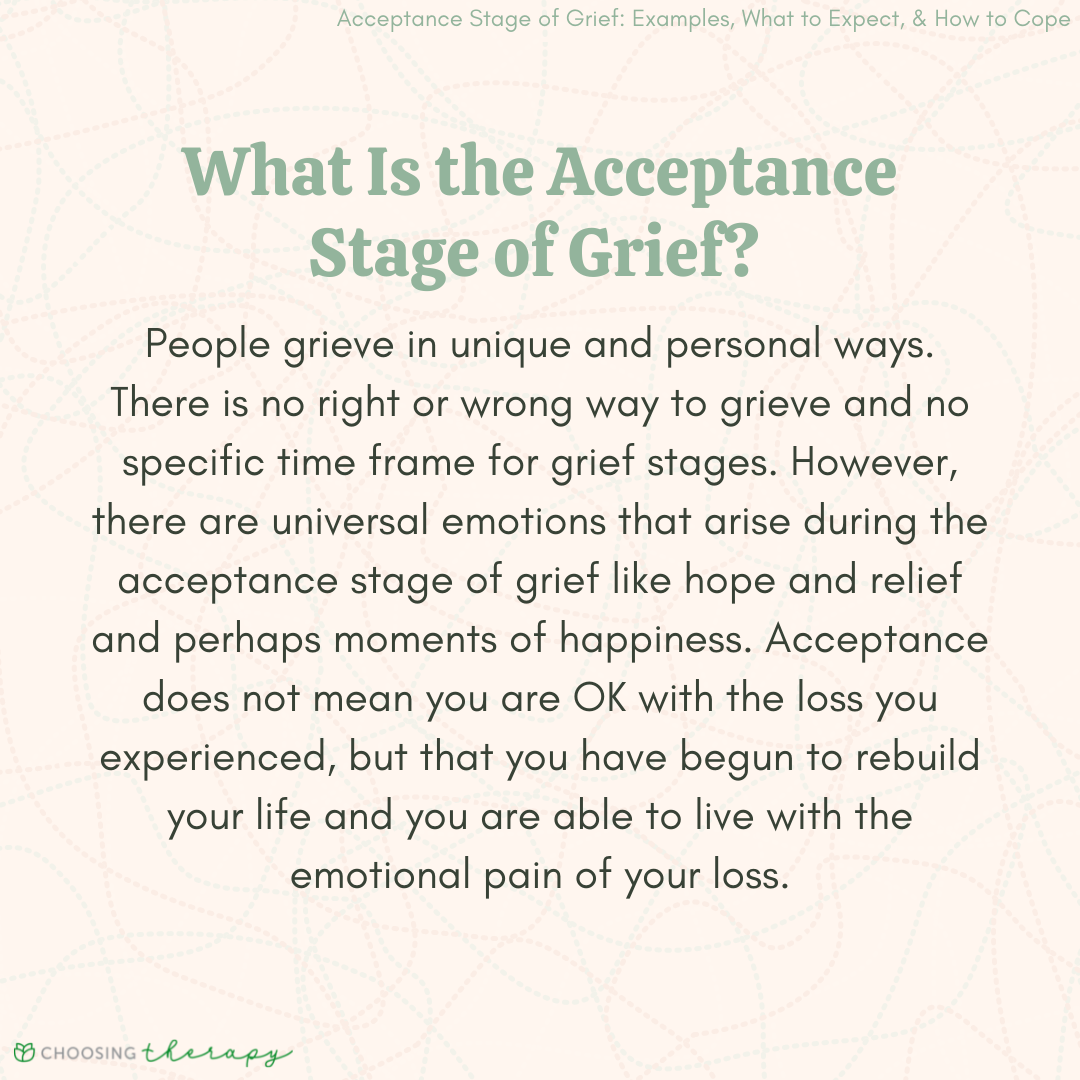
The understanding that our enjoyed one is not returning feels real, and we can have a difficult time recognizing or discovering hope in our future. We may really feel a little bit aimless throughout this part of the grieving process and retreat from others as we refine our pain.: In this phase, we feel a lot more enthusiastic that our hearts and minds can be restored.

Table of Contents
Latest Posts
Emotional Processing within Accelerated Experiential Dynamic Psychotherapy for Resolution
Strengthening Strength as Your Relationship In Business Colleague Therapy
Healing Trust Issues With Professional Emotionally Focused Therapy
Navigation
Latest Posts
Emotional Processing within Accelerated Experiential Dynamic Psychotherapy for Resolution
Strengthening Strength as Your Relationship In Business Colleague Therapy
Healing Trust Issues With Professional Emotionally Focused Therapy